Understanding Disenfranchised Grief
My first experience with grief came when I was a 13-year-old girl in the midst of middle school. Now, as a 47-year-old woman, I can still recall the exact moment I discovered, deep in my body, what disenfranchised grief feels like.
I was crying in a bathroom stall, trying to regain my composure so I could pull myself together and return to math class. As I exited the stall, I discovered another student was standing at the sink; she asked what was wrong. I told her that my heart horse had been put down that morning and that my heart was breaking.
I expected understanding. All of my horse-girl friends understood.
Instead, she looked at me as though I had three heads and had arrived from another planet.
"Why are you so sad about a horse? It's just a horse. So what?"
Then she flipped her hair over her shoulder and walked out.
I returned to the bathroom stall and resumed crying.
That 13-year-old middle school girl was fortunate enough to have a mom at home who held her while she cried and reminded her that the pain was real and that it mattered. My best friend, also a horse girl, wrapped her arms around me at lunch and reassured me that what I had lost was a very big deal.
When a new horse entered my life, I continued to navigate the complicated mix of emotions that followed. Alongside the anticipation and joy of a new partnership was the sadness of moving forward without SLF Windflower. Grief and healing existed side by side.
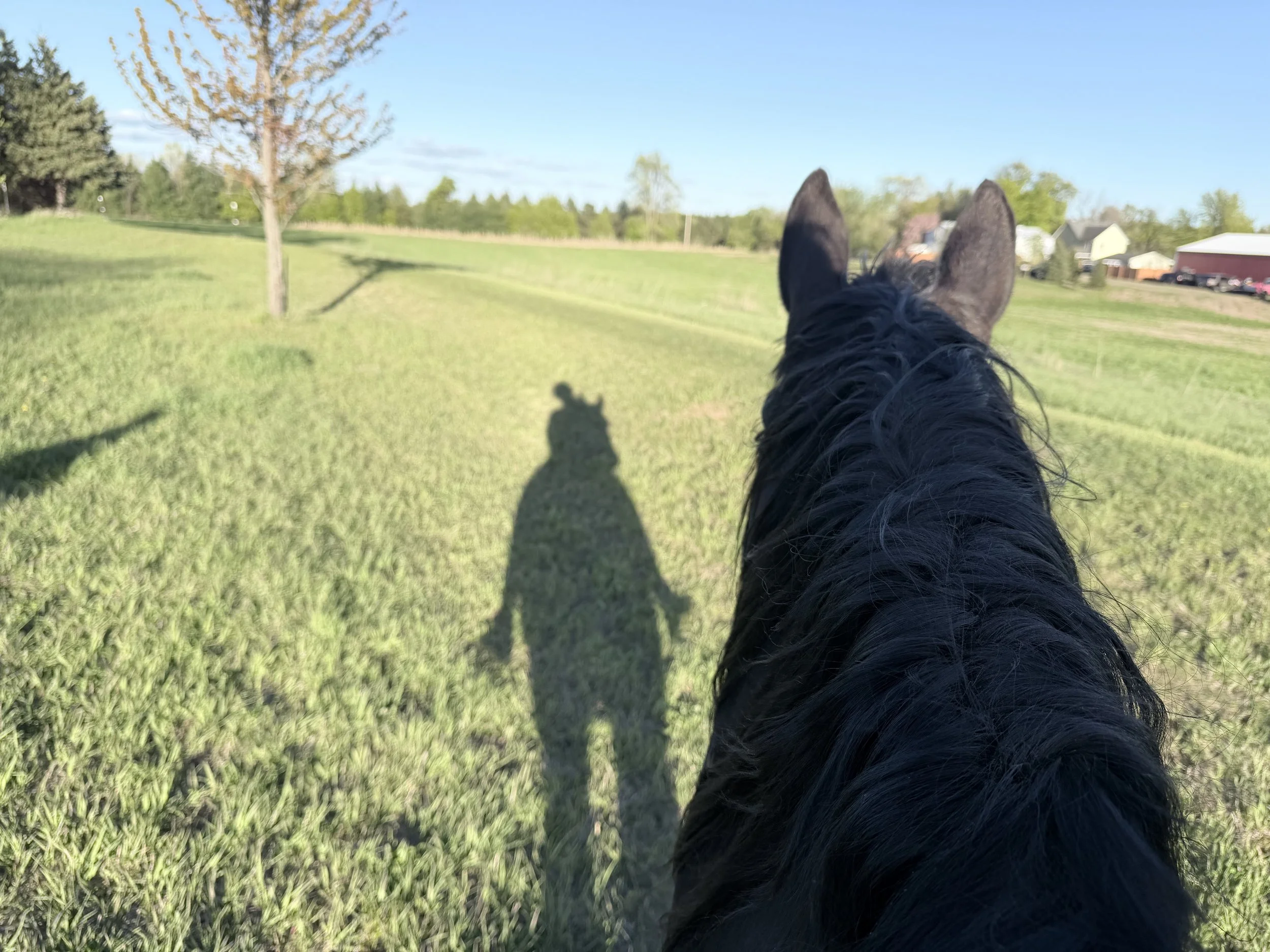
In many ways, that loss also started me on the path toward becoming a therapist. More than three decades later, the complexity of that grief continues to teach me lessons. It reminds me to cherish the time I have with my current heart horse, BFG Titan, and to honor both the love and the loss that come with caring deeply.
Looking back, I can see how important those moments of validation were. In 1993, the term disenfranchised grief was a long way from entering popular vocabulary. Acknowledging grief and holding space for it still had a long way to go. Even in 2026, the term is only beginning to find its way into common language and understanding.
So, what is it?
Disenfranchised grief refers to grief that is not, or cannot be, openly acknowledged, publicly mourned, socially supported, or is misunderstood and trivialized. Coined by bereavement expert Dr. Kenneth Doka, it occurs when society, friends, family members, or workplaces fail to validate your right to grieve, leaving you feeling isolated, invisible, or even wrong for experiencing pain.
Comments people may make include:
"It's not a big deal."
"You should be over it by now."
"At least..."
"Just buy another one." (dog, cat, horse, etc.)
The result is often a deeper sense of loneliness and isolation, shame about grief that feels somehow "wrong," and the feeling that you do not have the right to mourn.
Disenfranchised grief is complicated and can show up in surprising ways. It affects people living through miscarriage, the loss of a job or career, the end of a relationship or divorce, declining health, or even moving away from a beloved community.
It can also occur when an ex-spouse, close friend, colleague, mentor, or someone involved in a complicated relationship dies. The loss is real, but the support from others may be limited, or absent altogether.
I've even seen it in junior riders finishing their final show season and preparing to head off to college. The next chapter is exciting and developmentally appropriate, but the loss of childhood and the horse community often hits harder than anyone expects.
Horse-show moms, I'm talking about you, too.
Yes, it can be nice to have some financial freedom after years of horse shows. But the loss of the rhythm, the frequent contact with trainers and friends, the weekends spent at the barn, and the joy of watching your child fly around a jump course can leave a surprisingly large hole.
Oof. It hurts in a way that many people simply don't understand.
So what do we do?
Well, as all of my clients hear sooner or later, it begins with awareness.
Stop and listen to your inner voice.
My guess is that when you hear it, it may be sobbing, screaming, whispering, or quietly whimpering.
This is where self-compassion enters.
Hold yourself. Literally.
Wrap your arms around yourself and gently tap left and right across your chest. Take a few deep breaths and hold space for yourself with unconditional positive regard. Send some love to your breaking heart and allow yourself to be seen.
Tell yourself:
My pain is real.
What I lost matters.
I am allowed to grieve in the way I need to.
One practice I often use is what I call "even though" statements.
Even though no one seems to care about my horse passing, I hold myself in compassion.
Even though I feel like I should be over this by now, I hold myself in compassion.
Even though I'm excited that my daughter is heading off to college and I no longer have to pay for horse shows, I hold myself in compassion.
Then follow those statements with permission:
And I give myself permission to cry when I need to.
And I give myself permission to talk about my loss.
And I give myself permission to celebrate and grieve until I feel settled again.
These are just a few examples. When I work with clients, we often brainstorm many different permissions we can give ourselves.
If you find yourself experiencing increasing depression, anxiety, irritability, burnout, relationship conflict, or thoughts of self-harm, it may be time to seek out a therapist who understands grief and can walk alongside you as the grieving process unfolds.
Grief does not need to be justified in order to be real.
And sometimes the most healing thing we can do is simply acknowledge that what was lost mattered.
More than thirty years after losing SLF Windflower, I still remember that middle school bathroom stall. I also remember my mother's embrace, my friend's understanding, and the healing that eventually came. Grief never asked me to forget; it asked me to carry the loss differently.
Today, every time I connect with Titan (or any of my horses), I am reminded that loving deeply always comes with risk. One day there will be another goodbye. But the answer to grief is not to love less. It is to love fully while we have the chance and to honor the losses that shape us along the way.
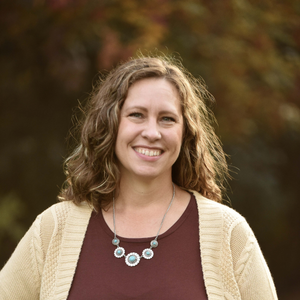
Danielle Carlson, LMFT, is a licensed marriage and family therapist and owner of Equine Elevated, a private practice in Hugo, MN, where she provides equine- and animal-assisted therapy to clients with a variety of needs. She shares her farm with 13 horses, dogs, cats, rabbits, guinea hens, and a flock of chickens. Her lifelong connection with horses continues to shape both her personal life and her therapeutic work.